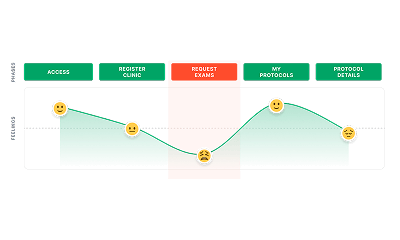
Finding where journeys actually hurt, and fixing them there. Without changing a line of backend code.
Role
Product Designer
Client
Merck
Timeline
6 months
Team
6 months
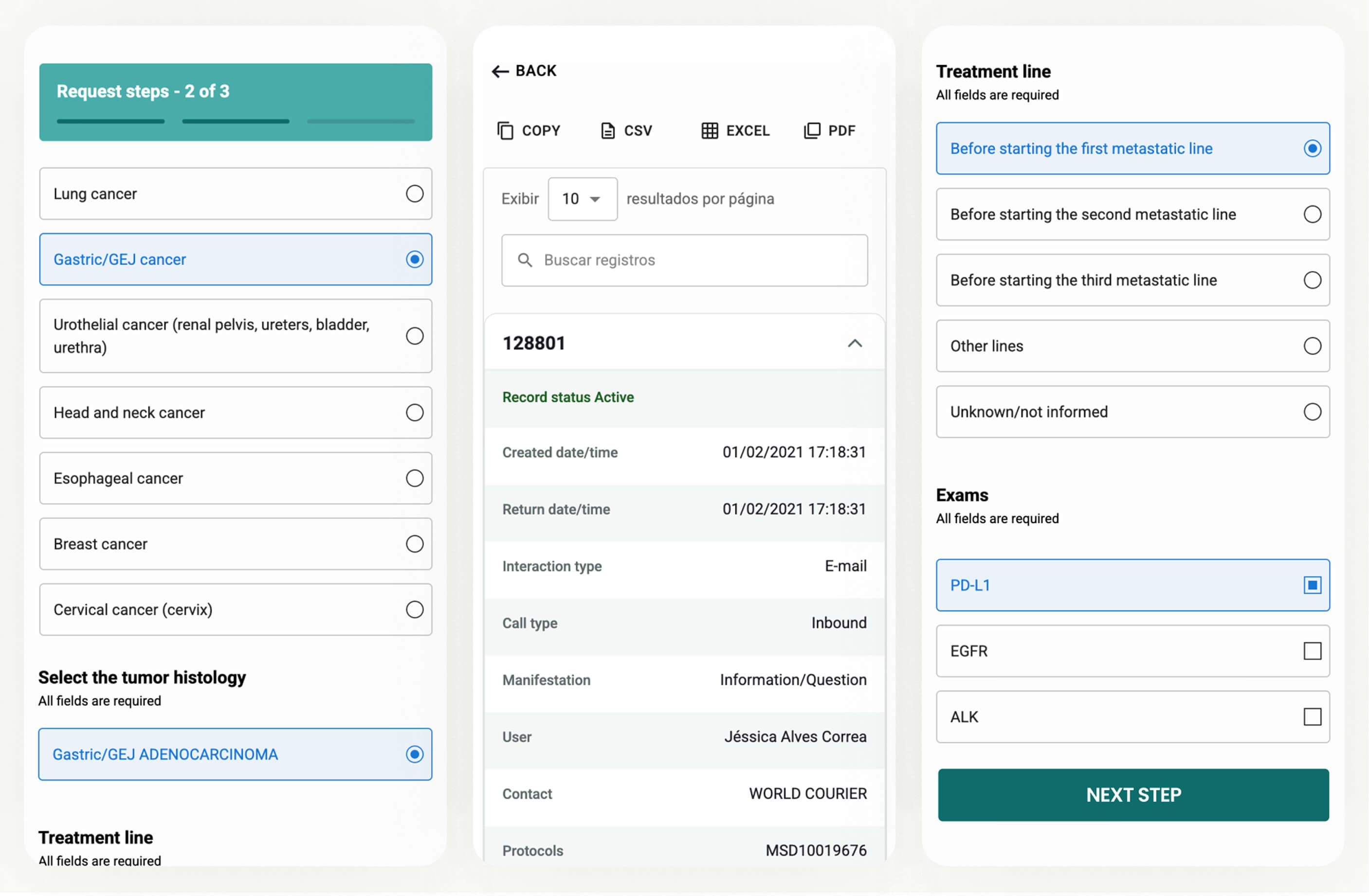
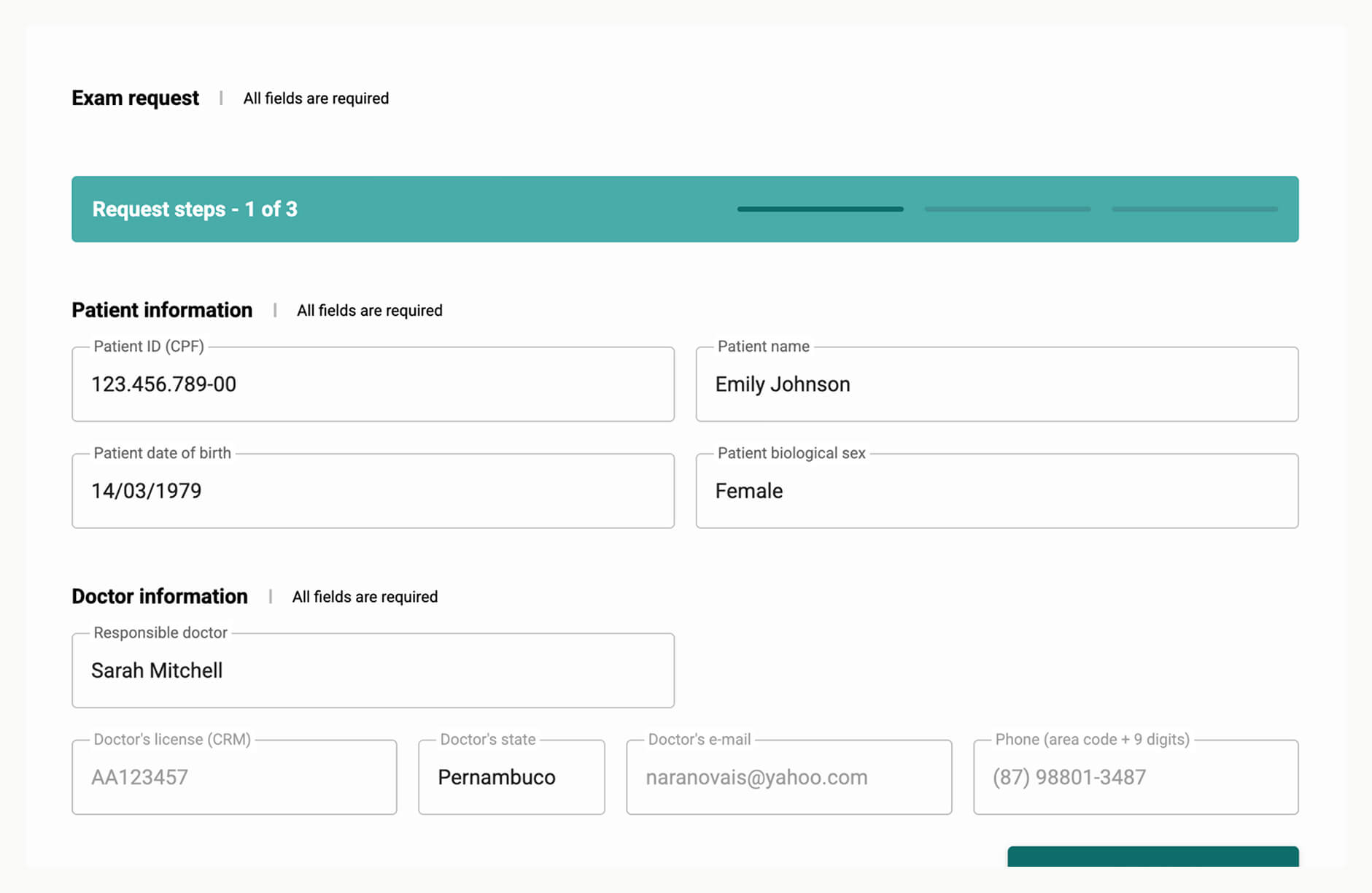
Saving your time
In a legacy system, late validation errors in long clinical forms caused full data loss, driving rework, support tickets, and training dependency.
I segmented the forms by each user role's tasks, added draft persistence, and calibrated flow depth by usage frequency.
Shipped in a single release with zero backend changes, leading Merck to extend the engagement to other legacy systems.
The biggest challenge
One solution couldn't serve everyone.
Testing before launch revealed it: the same layout that freed one user slowed another to a crawl. Optimizing for the average meant failing at both ends.
Novice vs Expert
The same split that frees the occasional doctor slows down the fast operator. “Fewer fields per screen” only helps people who suffer the full screen.
Muscle Memory
Someone who runs the same form hundreds of times a day doesn’t read it anymore. Their hands know it by heart. For them, every extra step is a toll.
The critical insight
Who are we optimizing for?
Occasional
Split into steps
← fewer fields per screen
Variety
Steps + consistency
Heavy
Single tuned screen
fewer steps per flow →
The outcome
−60% median
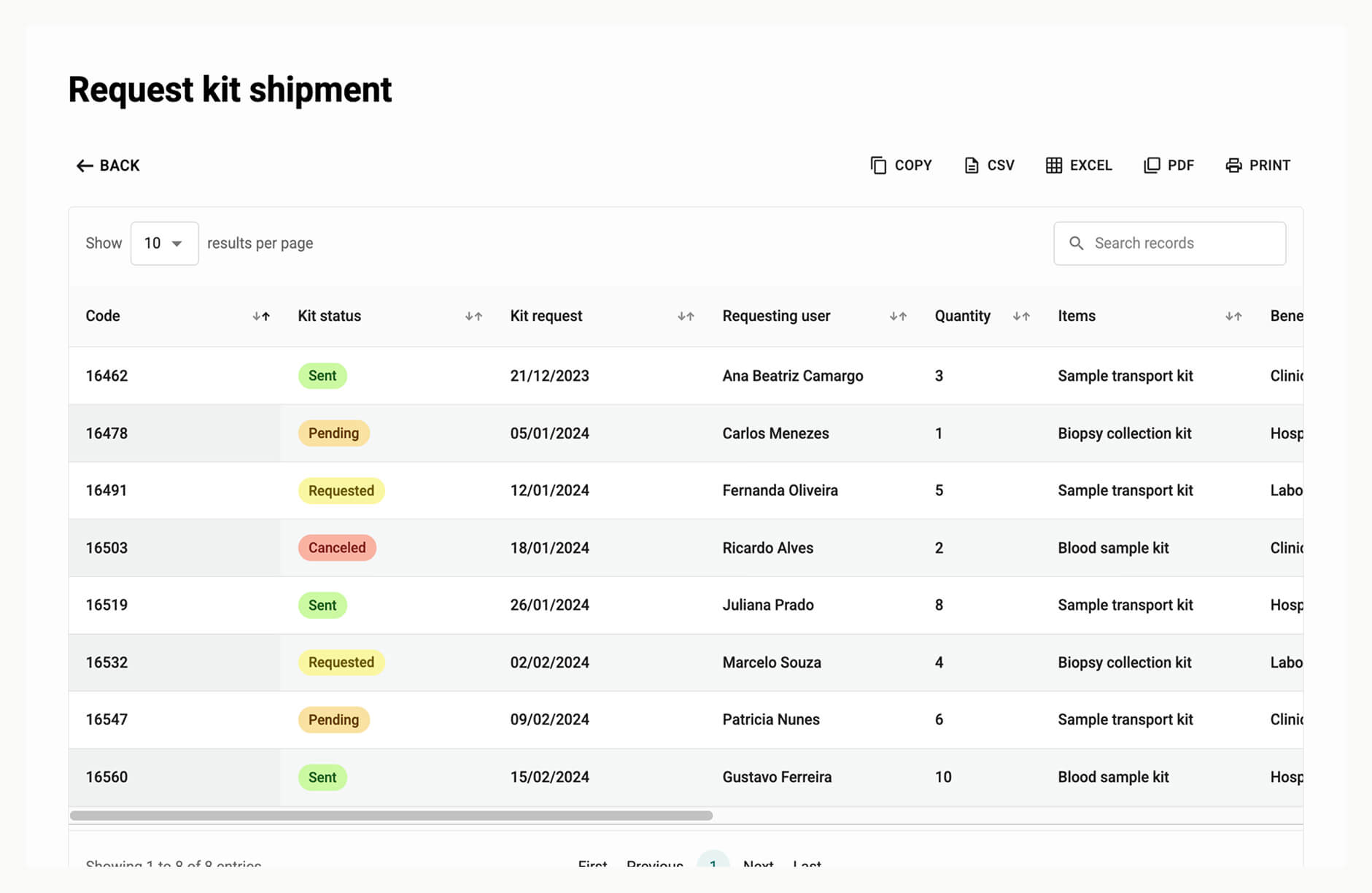
fields per screen at any one time, down from a 70+-field request split into three steps of ~22.
134 pages
shipped in a single rollout, with no line of backend changed.
They came back
Merck brought further legacy systems in for the same treatment.
What I did
Learnings
Three things this project taught me about designing something elegant inside constraints you can't remove.
Cognitive load isn't universal
I first rolled steps out across every journey. Power users felt punished, rightly. An extra step protects someone filing five requests a week and charges a toll to someone filing fifty a day.
Test with the people who can knock it down
I chose the group most likely to reject my thinking. The wrong premise died before it became product; validating with people inclined to agree would have shipped it anyway.
Sell the diagnosis, not the redesign
The client asked for a reskin. I arrived with what the journeys showed instead, and the fix fit inside work engineering was already doing. A diagnosis with no route to delivery is just disagreement.